Apartment Management Game Strategy: 6 Principles That Work
Updated August 3, 2026
To get good at an apartment or building management game, stop treating tenant happiness as a mood bar and start treating it as your income. Happy tenants stay and pay; unhappy ones leave and the money dries up. Everything else follows: read what each tenant wants, place them so they do not grate on each other, build a reputation that unlocks better renters, and feed the rent back into the building in the right order.
An apartment management game puts you in charge of a building: you place tenants, meet their needs, collect rent, and reinvest it to grow the property. It is one branch of a wider family. A management sim is a game where you run a system instead of a character: you lay out the space, place the people, spend money and time you never have enough of, then watch the system push back.
The one rule behind every landlord sim: happiness is income
Whatever a given game calls it (satisfaction, prestige, mood), tenant happiness is the tap your income flows through. In Project Highrise, a tenant whose needs go unmet just moves out, and every move-out drags your prestige down, which can trigger the next move-out. In The Tenants, players report that once your prestige score climbs high enough, renters stop pushing back on the rent you ask for. The takeaway is identical in both: stabilize happiness before you chase growth. A half-empty building of content tenants will out-earn a full one that is quietly bleeding people.
Apartment management strategy: six principles that work in any of them
Here is the whole framework in one table, with the detail underneath.
| Principle | What it means in one line | Game that shows it clearly |
|---|---|---|
| 1. Read what each tenant actually wants | Every tenant type lists its own demands, so build straight to that readout instead of to a generic good room | Project Highrise, The Tenants |
| 2. Match the tenant to the room, and the room to its neighbors | Room size, fittings and whatever sits next door decide happiness before any other mistake does | Project Highrise |
| 3. Furnish to hit the room’s hidden score | Every room carries a hidden furnishing score, and a compact room usually out-scores a big sparse one | The Tenants |
| 4. Build reputation to unlock (and hold onto) better tenants | The best renters sit behind a prestige threshold, and prestige falls every time somebody leaves | Project Highrise |
| 5. Reinvest the rent in the right order | Fix what is making current tenants miserable, satisfy them, then reach for the rent slider | Project Highrise |
| 6. Staff and maintain before things break | Hire and place upkeep a little ahead of the size you are actually at, so maintenance never turns into a crisis | Project Highrise |
1. Read what each tenant actually wants
There is no universal “good room.” Each tenant type values different things, and the game almost always tells you which. Project Highrise gives a legal office and an accounting office different service demands even though both are “small offices.” The Tenants sorts renters into personalities (Gamer, Alcoholic, Influencer, Athlete) and hands you a happiness-and-rent bonus when the decor matches the person. So before you furnish a thing, find the readout that lists a tenant’s demands and build straight to it.
2. Match the tenant to the room, and the room to its neighbors
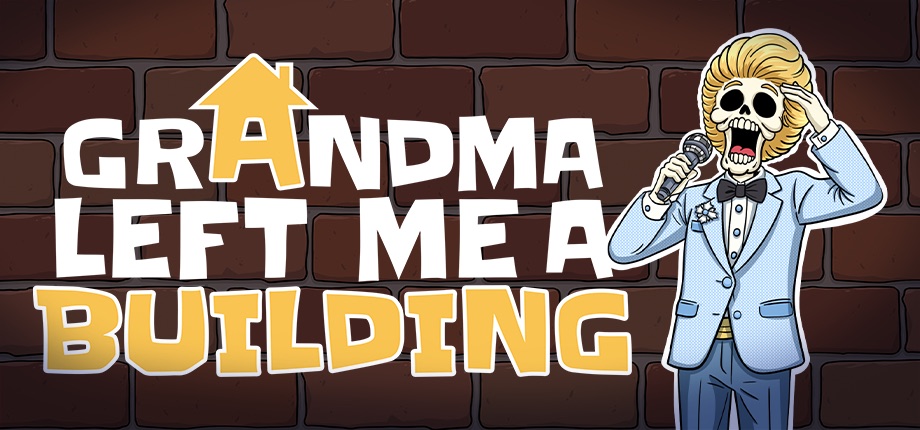
Placement is half the game. A tenant in the wrong spot is unhappy before you have made a single other mistake. Two things decide it: the room (its size and fittings) and whatever sits next to it. Project Highrise docks you for putting noisy restaurants, bars, or utilities beside apartments, and many of its tenants also care how far they have to walk to an elevator. This is the lever we lean on hardest in Grandma Left Me a Building, the apartment sim we are building: every tenant has traits, and a bad pair of neighbors spirals into chaos while a good pair settles into calm. Plan the whole map, down to who shares a wall.
3. Furnish to hit the room’s hidden score
The Tenants scores every room, and that hidden number decides more than the vibe does. It points you at a minimum score before a room counts as properly furnished, then warns that bigger rooms spread each item’s value thin, so a small tightly packed room usually out-scores a big sparse one. Decorating here is really optimization wearing a mood board: the number comes first, and the pretty follows.
4. Build reputation to unlock (and hold onto) better tenants
Your best renters are locked behind reputation. Project Highrise gates whole tiers of tenants behind a prestige threshold, and because prestige falls when people leave, one bad stretch can snowball into an exodus. Experienced players keep an “art fund” ready so they can drop paintings and statues to arrest the slide. The Tenants rewards you for revisiting older properties and refurbishing them to lift your score. Our game carries the idea forward: the reputation you build decides which tenants even knock on your door. Either way, treat reputation as a resource you defend, because in the games that let it cascade, like Project Highrise, letting it slip empties floors fast.
5. Reinvest the rent in the right order
Money buys happiness, happiness makes money, and the order you spend in sets how fast that loop spins. Clear whatever is making your current tenants miserable before you add a single new room; a leak or a missing service costs you more in move-outs than an empty unit costs in lost rent. Only once a tenant has everything they asked for should you reach for the rent slider (Project Highrise even lets you raise it building-wide from the budget report). Fix, satisfy, then charge.
6. Staff and maintain before things break
Project Highrise wants a maintenance office near the elevator early, because the moment things start breaking, the unhappiness spreads faster than you can patch it. Grandma Left Me a Building gives you six staff types for the same reason: past a certain size, you cannot personally answer every knock at the door. The habit that saves you is hiring a little ahead of the size you are actually at, so upkeep never turns into a crisis.
Common beginner mistakes
- Expanding while your current tenants are unhappy. Growth just multiplies the problems you have not fixed.
- Chasing rent before needs are met. A rent hike on an unhappy tenant only speeds up the move-out.
- Ignoring adjacency. The bar you tucked under the apartments will cost you more than it brings in.
- Letting reputation drift. In games with a prestige cascade, one careless week can empty a whole floor.
Frequently asked questions
How do you keep tenants happy?
Meet their specific listed needs first (services, decor, quiet), answer requests quickly, and keep them away from whatever their type dislikes. Happiness usually acts as a direct multiplier on the rent they will accept.
Why do my tenants keep leaving?
Nearly always an unmet need or a bad neighbor, and in prestige-driven games, a prestige drop that pushed them under their threshold. Track down the specific complaint, fix that one thing, and pause expansion until the building is stable.
Should you raise the rent?
Yes, but only after a tenant has everything they want. A hike on a satisfied tenant sticks; the same hike on an unhappy one sets off a move-out.
What is the best apartment management game to start with?
Two, depending on what you want out of it. Project Highrise shows its adjacency and prestige rules openly, so every mistake teaches you something. The Tenants is friendlier if you would rather learn the loop by decorating flats and matching personalities to them.
How do you make money in a landlord sim?
Rent, but only the rent you keep collecting. A tenant who stays for months earns you more than a high asking price that empties the unit, so treat repairs, services and decor as the thing that buys your income rather than as a cost.
Should you expand or upgrade first?
Upgrade, almost every time. A new wing adds more surface for the trouble you already have, and the quickest way to lose money in these games is to keep building while people are packing to leave. Expand once nobody currently in the building is complaining.
Where to go from here
These principles hold whether you are playing a hard-numbers tower sim or a gentle cozy one. For games to practice them on, here are the best apartment and building management games, plus the most anticipated cozy games coming in 2026 if you want fresh ones to wishlist. And if a landlord sim built entirely around trait-driven tenants and mismatched-neighbor chaos sounds good, Grandma Left Me a Building is ours, built to be played at your own pace with no time pressure, and you can wishlist it on Steam.