Seven Deadly Sins Games: How the Sins Become a Mechanic
Updated August 3, 2026
Games built on the seven deadly sins turn Envy, Wrath, Sloth, Lust, Avarice, Pride and Gluttony into structure you play through: bosses to beat, floors to climb, minibosses to clear. Darksiders III makes each sin a boss, The Binding of Isaac hides them as minibosses, Dante’s Inferno descends through hell’s circles, and our own Hellmate climbs seven floors themed after the sins.
A quick disambiguation before we start: this post covers games built on the sins as a theme, not the licensed The Seven Deadly Sins anime games such as Grand Cross, which we have not played and cannot judge.
Key takeaways
- The clearest seven-sins games are Darksiders III (2018) and The Binding of Isaac, which both give every sin its own fight.
- Dante’s Inferno (2010) is a close cousin: nine circles of hell, several of them named for sins like lust, gluttony and greed.
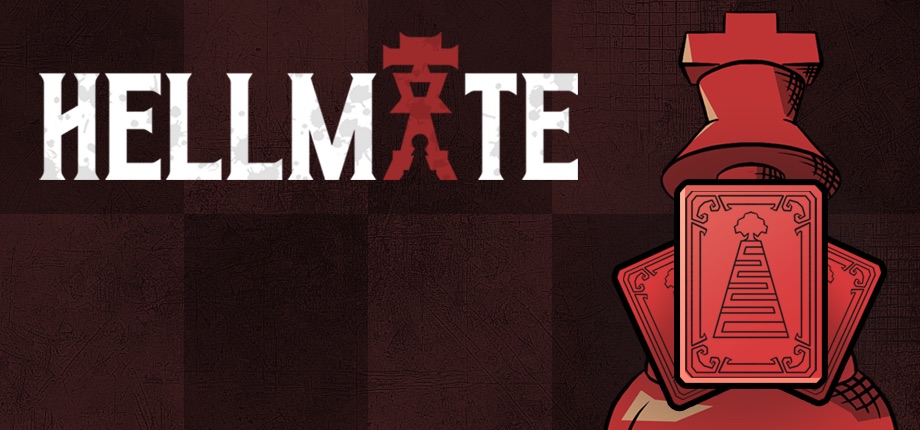
- Hellmate, our unreleased roguelike deckbuilder, climbs seven randomly generated floors themed after the seven deadly sins. It is coming soon, so you can wishlist it on Steam.
Which games are built on the seven deadly sins?
Three released games use the sins as their backbone, each in a different genre.
| Game | Year | Studio | How the sins appear | All seven present? |
|---|---|---|---|---|
| Darksiders III | 2018 | Gunfire Games | Each sin is a boss fight, and Envy returns for the finale | Yes |
| The Binding of Isaac | 2011 | Edmund McMillen and Florian Himsl | Each sin holds a Mini-Boss room, with stronger Super variants | Yes |
| Dante’s Inferno | 2010 | Visceral Games | Nine circles of hell, several of them named for sins | No, nine circles rather than a strict seven |
| Hellmate | Unreleased, ours | Overbaked Studio | Seven randomly generated floors, one per sin | Yes |
Darksiders III (2018): each sin is a boss
In Gunfire Games’ Darksiders III, you play Fury, one of the Four Horsemen, sent to hunt the Seven Deadly Sins after they escape onto Earth. Envy, Wrath, Avarice, Sloth, Pride, Lust and Gluttony are each a boss fight, and Envy returns for the finale, revealed as the true antagonist she had faked her early defeat to hide. Seven sins, seven set-piece battles, one campaign spine.
The Binding of Isaac: the sins as minibosses
Edmund McMillen’s roguelike The Binding of Isaac scatters the seven sins as minibosses. Pride, Envy, Gluttony, Greed, Lust, Sloth and Wrath each hold their own Mini-Boss room, grow tougher the deeper you go, and come back as stronger “Super” variants, with an Ultra Pride added in the Wrath of the Lamb expansion. Here the sins are difficulty and reward tuning rather than a story.
Dante’s Inferno (2010): the circles of hell
Visceral Games’ Dante’s Inferno adapts the first part of Dante’s Divine Comedy. You descend through nine circles of hell (limbo, lust, gluttony, greed, anger, heresy, violence, fraud and treachery), several of which map straight onto the deadly sins, fighting bosses like Cleopatra in Lust and Cerberus in Gluttony. It is a nine-circle structure rather than a strict seven, but it belongs on any seven-sins shelf. It is also the one game here with no store link, because it is a console release and is not on Steam as of August 2026.
How do the sins work as a mechanic rather than a skin?
A sin earns its place when it changes how you play, beyond how a level looks. In the best of these games a sin is a design brief, not just an obstacle: Wrath asks for a fight that punishes recklessness, Sloth for one that punishes waiting, Greed for a room that tempts you into overreach. The Binding of Isaac tunes each sin’s aggression and its drops; Darksiders III gives each a distinct moveset and arena. When a sin only recolours the walls, players feel it. When it rewrites the encounter, the theme does real work.
Why is Hellmate built on the seven deadly sins?
Hellmate is our roguelike deck-builder inspired by chess, and its structure comes straight from the sins. You play a chess piece trying to cleanse its sins and escape hell by playing “hell chess”: build a deck of Spell, Piece, Consumable and Joker cards, manage mana, and eliminate the opposing king in as few turns as possible. You climb seven randomly generated floors, each themed after one of the seven deadly sins, under a gothic tone closer to Darkest Dungeon and Don’t Starve than to anything cheerful. Hellmate has not launched yet, so you can wishlist it on Steam.
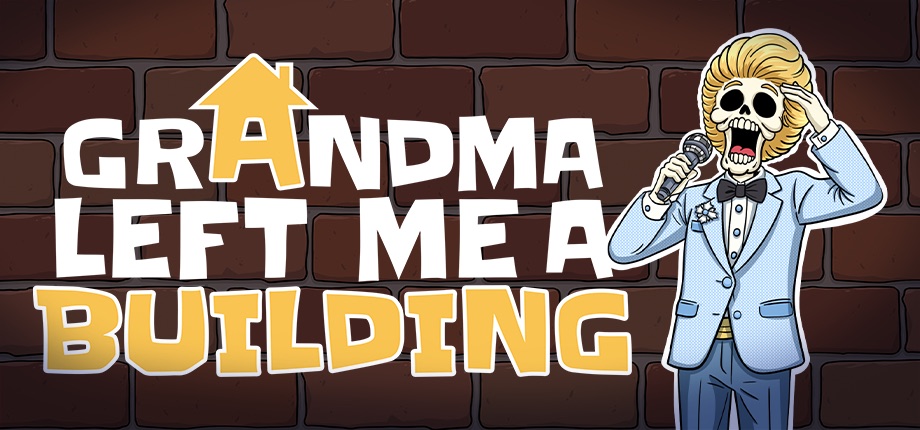
Hellmate sits oddly next to our debut, Grandma Left Me a Building, a warm apartment-management sim, and that contrast is the point. We are a small Istanbul studio that makes games across genres, so the genre lives on the game, not on us: Hellmate carries the roguelike, deckbuilder and chess keywords while Grandma carries the cozy ones. If you want to see the calm side of what we do, why cozy games feel relaxing covers it, and Hellmate joins a wider set of under-the-radar indies worth wishlisting.
Frequently asked questions
What are the seven deadly sins in order? Seven, in the traditional order: pride, greed, lust, envy, gluttony, wrath and sloth. Games reorder them constantly, so treat any in-game sequence as a design choice rather than the canonical list, and expect a boss running order to differ from the list above.
What game has all seven deadly sins as bosses? Darksiders III, from 2018. Fury hunts all seven, each one a separate set-piece fight, and the game saves Envy for the finale. The Binding of Isaac also covers all seven, but as minibosses you meet along the way rather than as campaign bosses.
Is Dante’s Inferno about the seven deadly sins? No, not strictly. Its structure is Dante’s nine circles of hell rather than a seven-sin checklist, though lust, gluttony, greed and anger all get their own circle. Call it an overlap: close enough to belong on the shelf, not a seven-sins game.
Is there a new seven deadly sins game to wishlist? Yes. Hellmate is ours and still unreleased: a roguelike deck-builder where you play a chess piece climbing seven randomly generated floors, one per sin. It is a wishlist page on Steam for now, not a purchase, so treat it as a heads-up rather than a recommendation.