Steam Early Access in 2026: When It Works and When It Backfires
Updated August 3, 2026
Early Access works when playing an unfinished game makes it better: systems games like Hades, Subnautica, and Valheim sharpened with every patch. It backfires when a game must feel finished on first contact, or when updates stop. The 2026 rules: enter with a complete core loop, ship visible updates, and treat the Early Access date as the real launch.
What is Early Access supposed to be?
Steam Early Access is a trade with clear terms. Players pay today for an unfinished game; the developer gets revenue and live feedback while finishing it; both sides accept that the roadmap can move. Most disasters in this corner of the industry come from the two sides signing different versions of that deal: the player thinks they bought a rough game, the studio thinks it sold a promise. Early Access is not a shortcut, it is a contract, and everything below is about reading its terms before you sign.
When does Early Access work?
The verified success stories share a shape. Hades entered Early Access on the Epic Games Store on December 6, 2018, arrived on Steam Early Access on December 10, 2019, and shipped 1.0 on September 17, 2020: about 21 months of public development. Supergiant could do that because a roguelike run is complete even when the game around it is not. Every patch added weapons and story to a loop that already worked.
Subnautica spent just over three years in Early Access, from December 16, 2014 to January 23, 2018, and used that time to add vehicles, biomes, and eventually its story endgame. Baldur’s Gate 3 sold only its first act on October 6, 2020 and launched 1.0 on August 3, 2023; Larian spent those years watching how tens of thousands of players actually built characters and made choices. Valheim entered Early Access on February 2, 2021, sold a million copies in its first week, has passed 12 million total, and has its 1.0 scheduled for September 9, 2026: more than five years in, still healthy.
The pattern is genre-shaped. These are systems games: survival crafting, roguelikes, deep RPG simulation, and the economy loops that make management sims fun. When the core loop is a machine, thousands of players are a stress test no internal QA can match, and feedback converts directly into balance changes and content priorities. The unfinished parts read as “more coming” instead of “broken”.
Every case this post leans on, in one place. The last two rows are the ones that went wrong, and the next section unpacks them.
| Game | EA start | 1.0 date | Time in EA | Outcome |
|---|---|---|---|---|
| Hades | December 10, 2019 (Steam) | September 17, 2020 | About 21 months | Shipped 1.0 |
| Subnautica | December 16, 2014 | January 23, 2018 | Just over 3 years | Shipped 1.0 |
| Baldur’s Gate 3 | October 6, 2020 (first act only) | August 3, 2023 | Nearly 3 years | Shipped 1.0 |
| Valheim | February 2, 2021 | September 9, 2026 (scheduled) | More than 5 years | Still in Early Access, 1.0 scheduled |
| 7 Days to Die | December 2013 | July 25, 2024 | More than a decade | Shipped 1.0, updates kept arriving throughout |
| The Day Before | December 7, 2023 | Never shipped | 4 days to the shutdown announcement | Developer folded, servers offline January 22, 2024, no longer listed on the US Steam store as of August 2026 |
| Kerbal Space Program 2 | February 24, 2023 | Unannounced | More than 3 years so far | Still in Early Access, no update since June 2024 |
Steam store status checked August 2026.
When does Early Access backfire?
Two recent cases mark the boundary. The Day Before launched into Early Access on December 7, 2023 at a premium price; four days later its developer Fntastic announced it was shutting down, and the servers went offline for good on January 22, 2024. Kerbal Space Program 2 entered Early Access on February 24, 2023 with a multi-phase roadmap. Parent company Take-Two closed developer Intercept Games in mid-2024, and the game has received no update since June 2024 while remaining on sale in Early Access, at a regular price of $49.99 as of August 2026. Whatever happened inside those studios, players experienced the same sequence both times: money in, updates stop.
There is also a failure mode with nothing scandalous in it: genre mismatch. Narrative games, puzzle games, and anything that lives on a first impression spend their best moment on whoever shows up first. A story played half-finished cannot be replayed finished, because the surprise is already gone. That is why the Early Access success list is full of survival crafting and almost empty of narrative adventures.
Long development on its own is not a failure mode. 7 Days to Die entered Early Access in December 2013 and reached 1.0 on July 25, 2024, more than a decade later, and kept its community the whole way because updates kept arriving. What separates a long Early Access from an abandoned one is whether the game is still visibly being built.
What actually changed by 2026?
Two things: one from Valve, one from the data.
The first is a labeling rule. Valve’s own Early Access documentation states that if more than 12 months have passed since the developers updated the game and posted an update-type announcement about it, Steam adds a note to the store page letting players know the game has not updated in a while. Abandonment is visible at the point of sale. If a studio goes dark, the store page says so before anyone pays.
The second change is in expectations. GameDiscoverCo tracked 91 games that graduated from Early Access in 2026 so far: only 21% earned more in their first 30 days of 1.0 than in their first 30 days of Early Access, nearly identical to 2025’s 20%. Median time in Early Access was about a year and three months. The conclusion for developers: the Early Access release is the real launch, and 1.0 usually lands as a content beat for an audience you already found.
So the new rules are less new policy than settled norms. Enter with a complete, judgeable core loop. Update visibly and regularly, because silence now gets labeled. Spend your marketing push on the Early Access date, since the 1.0 date statistically underperforms it.
Is Early Access still worth it for a small team?
For a small studio, Early Access can be the difference between finishing a game and never finishing it. Subnautica’s Early Access years funded the content that made its 1.0 worth reviewing. Valheim’s first-week million meant a tiny team could grow and keep building instead of shipping a thinner game on fumes. And for systems-heavy genres the feedback carries real design weight: players will find the degenerate strategy in your management sim’s economy within days, faster than any internal test plan.
The counterweight: you only launch once. If day one of Early Access is the day your game gets judged, then an underbaked Early Access debut is an underbaked launch, with reviews and a score that persist. The funding argument holds only when the build you charge for can survive being treated as the finished first impression it effectively is.
How should players read an Early Access page in 2026?
Green flags:
- The description states plainly what is playable today.
- The most recent update is dated within the last few months and the update history is steady.
- The roadmap contains dates the developer has already hit.
- The developer answers questions in the community hub.
Red flags:
- Steam’s stale-update warning.
- A cinematic trailer doing the work gameplay footage should do.
- A roadmap where the core of the game is still listed as coming.
- A premium price on a studio’s first release with none of the green flags present.
No single signal settles it. Together they answer the one question that matters: is this game still being built in public?
Where do we land on this?
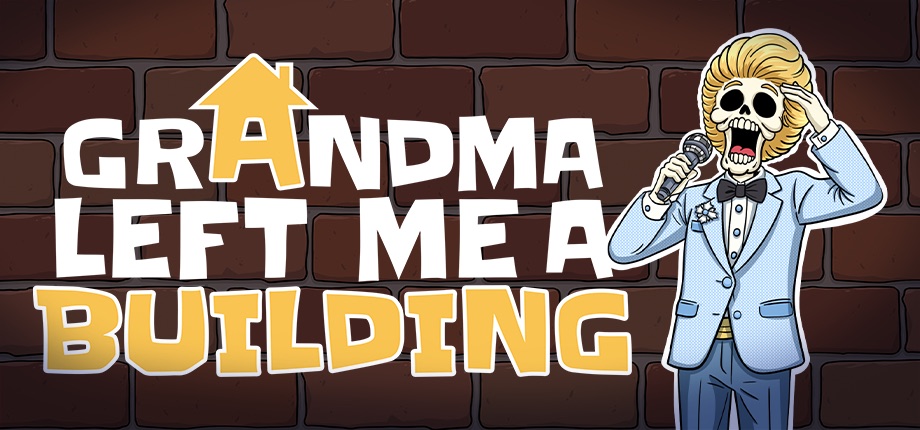
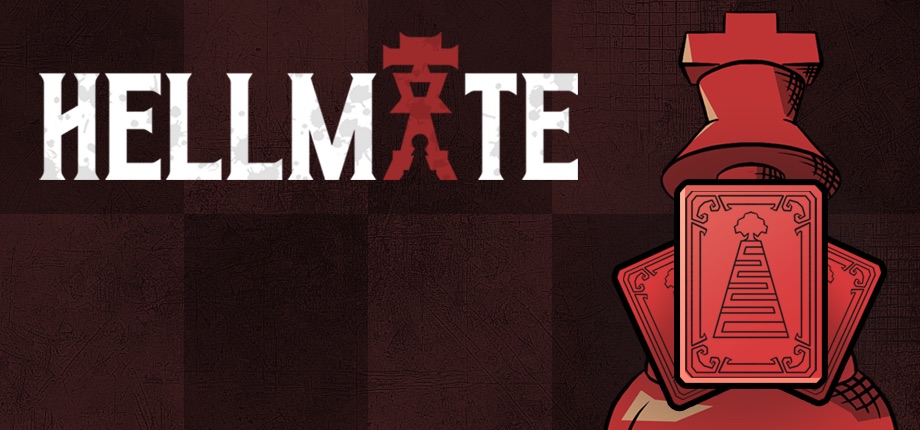
We are Overbaked Studio, a small independent studio in Istanbul, and this question is not academic for us. We are building two games: Grandma Left Me a Building, a cozy apartment management sim, and Hellmate, a chess-based roguelike deckbuilder. Both are unreleased, and both sit in genres the record above treats kindly: management economies and roguelike loops benefit precisely from the mass stress-testing described here.
We have not announced Early Access plans for either game, and we will not decide based on a trend post, including our own. What the 2026 data reshapes for us is the nature of the choice: going Early Access is above all a launch decision, since you spend your one debut to get the funding and feedback. Given how long an indie game takes to make, the pull of earlier revenue is real, and we feel it. Meanwhile the audience side of our corner of the market keeps expanding: the cozy genre is still growing, and players are already tracking this year’s most anticipated cozy games by wishlist long before launch day.
Frequently asked questions
How long do games usually stay in Early Access?
About a year and three months, at the median across 2026’s graduates. The examples in this post run much longer than that: Subnautica took just over three years, Baldur’s Gate 3 nearly three, and Valheim is past five with its 1.0 still ahead of it.
Does a 1.0 launch sell more than the Early Access launch?
Usually no. Only about one in five 2026 graduates made more money in their first month of 1.0 than in their first month of Early Access. So the marketing push belongs on the Early Access date, not saved up for a 1.0 that most games never out-earn.
Does Steam warn you about abandoned Early Access games?
Yes. Valve’s Early Access documentation says that once more than 12 months pass without an update and an update-type announcement, Steam prints a note on the store page. A stalled project gets flagged where you pay, not buried in a news tab.
Should I buy an Early Access game?
Yes, if the update history says it is still being built. Check the date on the most recent patch, whether the roadmap has dates the team already hit, and whether the developer replies in the community hub. Pay for the build you can play today.
Key takeaways
- Early Access rewards systems games that enter with a complete core loop: Hades (about 21 months), Subnautica (just over 3 years), Baldur’s Gate 3 (nearly 3 years), Valheim (5+ years, 1.0 scheduled September 9, 2026).
- It punishes games that need to feel finished, and games whose updates stop: The Day Before’s developer folded four days after its Early Access launch; Kerbal Space Program 2 has had no update since June 2024.
- Steam labels an Early Access game that has gone more than 12 months without an update, right on the store page.
- Per GameDiscoverCo, only 21% of 2026’s Early Access graduates out-earned their Early Access debut at 1.0. For most games, 1.0 is a content beat, not a second launch.
- Players should read update cadence over promises; developers should enter only with a build that can survive being judged as the launch.
If a cozy apartment management sim sounds like your kind of game, you can wishlist Grandma Left Me a Building on Steam.